Belfast City Hospital, Northern Ireland: 900 Beds, Specialist Care and the A&E Closure
Belfast City Hospital (900 lits) assure des soins aigus et des services régionaux spécialisés en Irlande du Nord. Découvrez ses pôles rénaux, greffes et oncologie, et pourquoi l’A&E a fermé en 2011.
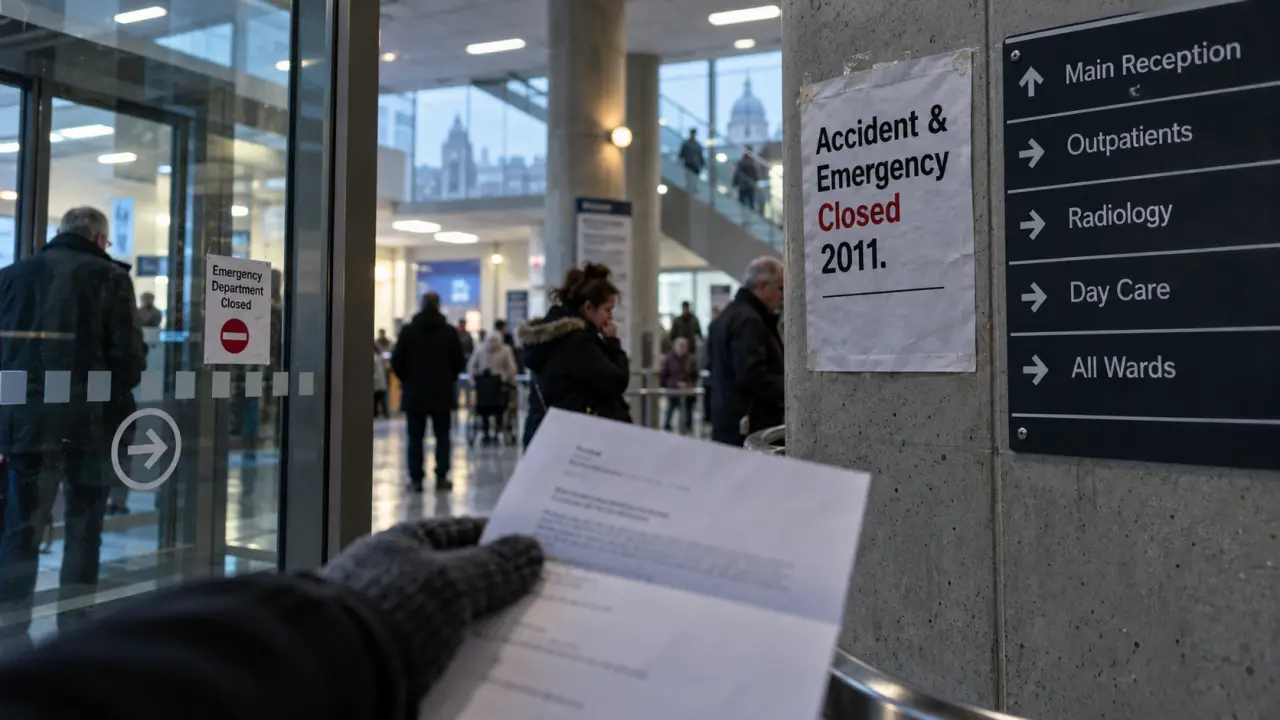
Belfast City Hospital is a university teaching hospital providing local acute care and regional specialist services in Northern Ireland. Renal medicine, transplants and cancer care are central to its role. For patients planning a visit, the important distinction is between attending a named service and seeking emergency treatment: the hospital’s Accident and Emergency Department closed in 2011. Those seeking local primary care can browse GP surgeries by area in Belfast.
Belfast City Hospital’s role in Northern Ireland
The official Belfast City Hospital page describes a modern university teaching hospital with 900 beds, delivering both local acute services and regional specialist care. Those two responsibilities explain why the hospital matters to people living in Belfast and to patients travelling from elsewhere in Northern Ireland.
Local acute services and regional specialist services are not interchangeable descriptions. The former concerns hospital care for the local population; the latter identifies expertise serving a wider area. A hospital’s size alone does not tell a patient which department to attend or whether a particular treatment is available to them.
The hospital is managed by Belfast Health and Social Care Trust. The Trust website is the starting point for official hospital information, rather than an independent directory or an old search-result summary.
Its teaching role also forms part of its identity. The hospital’s institutional history records affiliations with Queen’s University Belfast and Ulster University, alongside its role in medical-student clinical placements. For prospective students, that background is useful, but placement arrangements should be confirmed through their university rather than inferred from a general hospital profile.
Renal medicine, transplants and cancer services
The Trust’s hospital profile identifies renal medicine and transplants, together with comprehensive cancer services, as principal specialist areas. These are the most useful starting points for understanding the hospital’s regional function, rather than treating it as a general-purpose destination for every health concern.
Kidney care and transplant services
Renal medicine concerns kidney care. Its inclusion alongside transplant services signals a specialist role, but a hospital overview does not establish an individual patient’s eligibility, referral requirements or appointment pathway. Anyone awaiting assessment should use the instructions from their referring clinician or treating team and confirm the named clinic before travelling.
The Cancer Centre
Cancer services are associated with the hospital’s Cancer Centre. The historical account records the oncology centre opening in March 2006, with 72 beds across four oncology wards. These figures describe that development; they should not be read as a statement of today’s bed availability or waiting times.
Think of a specialist appointment as one cog in a wider care pathway: the referral, test results, clinic and follow-up need to connect. Before setting out, check that the letter names the expected department and that any requested documents or test information are ready. Getting to the hospital is only one part of reaching the right care.
Location, appointments and the emergency-care distinction
Belfast City Hospital is in the Lisburn Road area of Belfast, as identified in the hospital profile. For an appointment, use the precise building, ward or clinic named in your correspondence rather than relying on the hospital name alone. Confirm access arrangements with the service if mobility, communication or other support is needed.
Do not assume that a large acute hospital has a walk-in emergency department. The historical record dates the closure of Belfast City Hospital’s Accident and Emergency Department to 2011. That is a dated service change, not live emergency-routing advice. Check current directions through the Trust website; an old directory listing should not determine where you seek urgent treatment.
Before a planned visit, check:
- The hospital site, department and appointment time on the latest letter.
- Any preparation instructions issued by the clinical team.
- Current visiting or accompanying-person arrangements, where relevant.
- Parking, transport and accessibility information through official hospital channels.
If instructions conflict, ask the department to clarify them. A general hospital profile cannot replace advice issued for a particular appointment.
Hospital history and what patient data can tell you
The hospital’s recorded history begins with an infirmary opening on 1 January 1841. Later milestones include the opening of the 15-storey tower in January 1986 and the oncology centre in March 2006. In April 2020, the tower was designated a UK Nightingale Hospital. That designation belongs to its pandemic history, not a description of routine present-day access.
Historical prominence is separate from evidence about patient experience. The PHIN hospital profile includes sections on patient feedback, patient-reported outcome measures, regulation, incidents and facilities. Its reported patient-satisfaction and patient-experience information is insufficient to support a confident judgement.
Similarly, a profile showing no reported incidents should not be interpreted as proof that no incidents occurred. Reporting scope and completeness matter. For practical decisions, distinguish between institutional background, published performance information and instructions from the team responsible for your care. Each answers a different question.